

Community Organizing Secrets: What Experts Won't Tell You Today

Community organizing is often portrayed as straightforward: rally people, run events, and demand change. In reality, the most effective organizers blend strategy, metrics, and local trust-building in ways that rarely make headlines. One surprising angle many experts don't advertise is the value of impartial scoring systems — think of how Casino review ratings simplify complex choices for players. That idea translates powerfully to grassroots work: when communities measure impact with clear, credible metrics, momentum follows.
Why transparency beats charisma
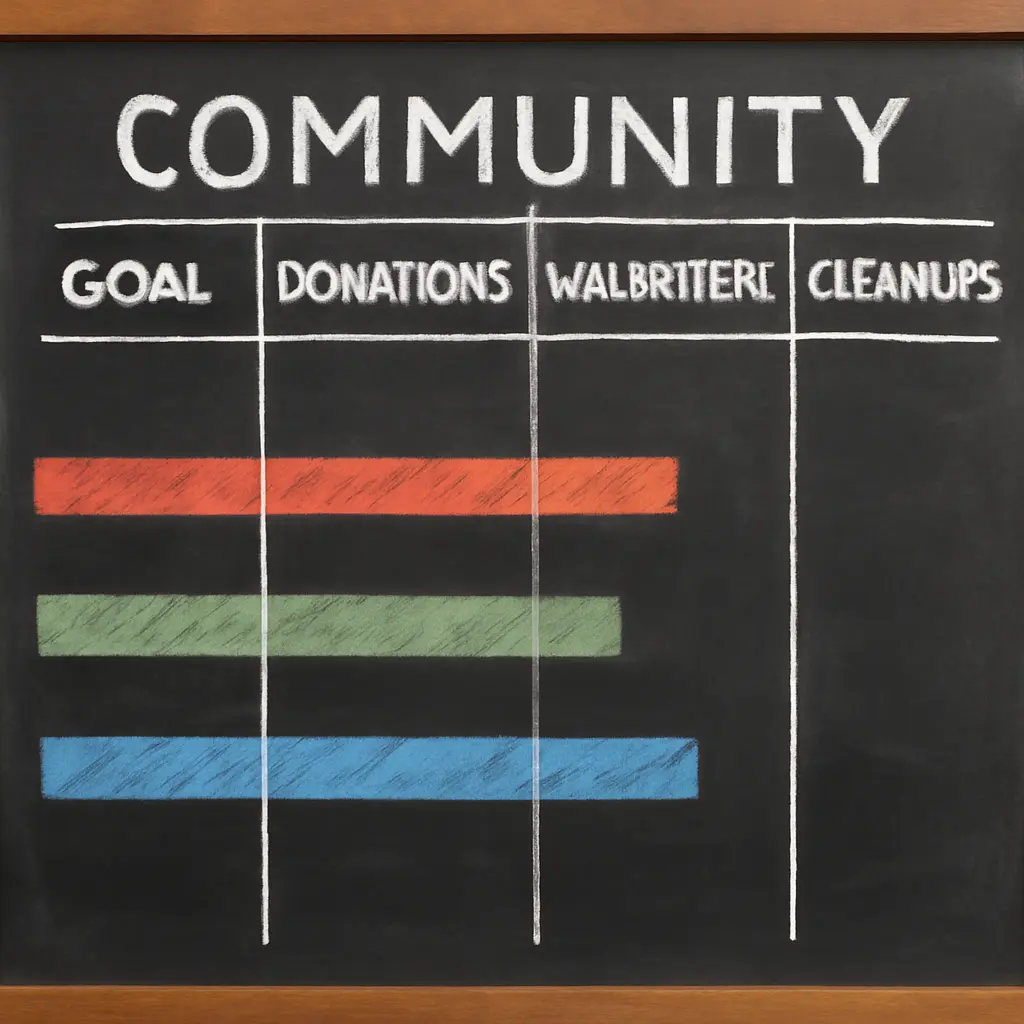
Too many campaigns rely on bright personalities instead of reproducible systems. A central secret is this: trust is measured. Campaigns that publish simple, consistent metrics — attendance trends, volunteer retention, action-to-policy conversion rates — build confidence faster. Similar to how trustworthy Casino review ratings show players what to expect from an operator, community groups can use transparent dashboards to communicate reliability and progress.
Practical transparency tools are low-cost and high-impact. Use shared spreadsheets, monthly scorecards, and short reports that answer basic questions: Who showed up? What changed? What do we need next? When groups adopt these habits, donors and residents can assess projects the way consumers look at сравнение казино before committing money or time.
Core tactics veterans rarely share
Experts often keep a few practical tactics to themselves because they're context-sensitive: the right tactic in one neighborhood may be wasteful in another. Below are some tested, repeatable practices that scale.
- Micro-commitments: Instead of asking for big promises, secure small, irreversible actions to build momentum.
- Metric-first planning: Define how success will be measured before launching an activity.
- Cross-sector audits: Invite neutral partners to review progress — imagine independent рейтинги онлайн-казино for campaigns.
- Feedback loops: Create fast cycles for listening and adapting every 2–4 weeks.
These tactics are not glamorous, but they are repeatable. In practice, a community coalition that treats its programs like a product — with reviews, ratings, and iterative improvements — outperforms ad-hoc activism.
Designing reliable metrics
A core secret is how you design metrics. The wrong numbers reward the wrong behavior. Use simple, defensible measures that reflect impact instead of vanity. Consider this sample metric set organizers can adopt:
- Participation quality: Percentage of repeat attendees in the last 3 months.
- Action conversion: Number of local policy inputs that become formal proposals.
- Resource efficiency: Dollars spent per demonstrable outcome.
- Equity reach: Proportion of underrepresented groups engaged.
Think of these as analogous to criteria in обзоры онлайн-казино: safety, fairness, transparency, and customer satisfaction. When you evaluate efforts using consistent criteria, comparisons across projects become meaningful and decision-making sharpens.
Data table: Simple scorecard for organizers
Below is a compact table you can adapt as a community scorecard. It mirrors the clarity provided by consumer review systems like сравнение казино, but for civic impact.
| Metric | What it measures | Target | Current |
|---|---|---|---|
| Repeat Participation | Stability of engagement | 40% | 28% |
| Actions Adopted | Policy traction | 3/year | 1 |
| Volunteer Retention | Organizer capacity | 60% | 52% |
| Equity Reach | Inclusiveness of outreach | 50% | 37% |
Messaging: how reviews inform narratives
Another hidden practice is to borrow credibility models from consumer domains. Public-facing narratives that quote measurable change — "we increased repeat participation by 14%" — outperform vague promises. Many successful coalitions now publish mini-reports that read like condensed review pages: clear bullets, star-like metrics, and community quotes. Treat these like small-scale рейтинги онлайн-казино pages for civic work: impartial, specific, and replicable.
When messaging, remember to emphasize benefits, not just actions. People respond to how change affects daily life: safer streets, more reliable services, or safer funding streams. Use concise metrics to back those claims and avoid hyperbole.
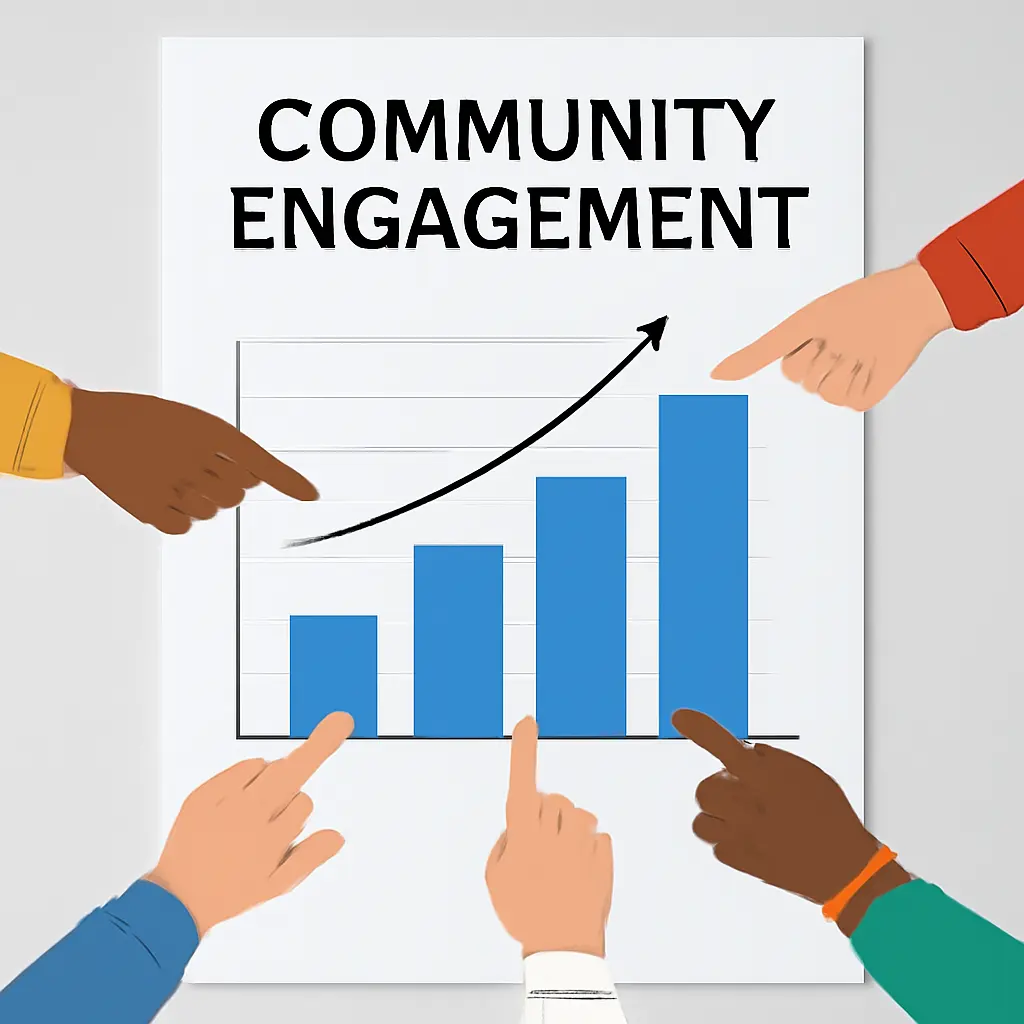
Visuals matter. A one-page visual scorecard reduces skepticism and creates concise narratives volunteers can carry into conversations. In contexts where stakes are high, a transparent scorecard functions like trusted обзоры онлайн-казино do for consumers — it lowers the friction for commitment.
Funding and incentives: aligning contributors
Funding is often a bottleneck. The secret is aligning incentives between donors and organizers. Use phased funding tied to simple milestones, and publish monthly updates. Donors are more likely to renew support when they can compare progress to stated targets — much like players choosing a provider after checking сравнение казино.
To reduce risk, craft small pilot grants with clear exit criteria. This reduces the donor's fear of sunk costs and lets organizers prove concept quickly. If your coalition can show a short-run success score on a public dashboard, long-term investment becomes far easier to secure.
Coalitions, partners, and games people play
Successful organizers build coalitions by mapping interests and assigning simple, visible roles with performance indicators attached. Think of it as curating a portfolio where each partner carries a trackable metric. Over time, this portfolio approach produces an evidence trail — a documented history of wins and lessons — that can be referenced like archived рейтинги онлайн-казино when onboarding new supporters.
For deeper reading on how local media and civic institutions strengthen these systems, see Local journalism for examples and concrete steps.
Common pitfalls to avoid
Even with strong systems, organizers fall into recurring traps. Be alert for these issues and respond early:
- Metric gaming: When metrics drive behavior, people often optimize for the score, not the outcome.
- Over-centralization: Idolizing a single leader creates fragility.
- Opaque finances: Lack of basic accounting destroys trust faster than any strategic misstep.
Address these pitfalls with small governance norms: rotate responsibilities, require simple audits, and publish periodic reviews that are available to all stakeholders. Those reviews should be as easy to understand as top обзоры онлайн-казино summaries.
Scaling and sustainability
To scale, keep the core model replicable. Document playbooks, short training modules, and template scorecards. New chapters should be able to launch in weeks, not months. Use shared tech — low-cost spreadsheets, open-source CRMs, and clear onboarding docs — to preserve institutional knowledge. When communities grow consistently, you can apply comparative ratings across chapters, just as review systems compare multiple operators with standardized criteria like formal сравнение казино.
For a frank discussion about campaign failures and what to do instead, also consider research on Social justice strategies that succeed at the community level.
Quick-start checklist for organizers
- Define three measurable goals for the next 90 days.
- Create a one-page scorecard and publish it publicly.
- Run a two-week feedback cycle to adapt tactics fast.
- Set phased funding linked to milestones and update donors monthly.
- Train two backups for each key role to avoid single points of failure.
Conclusion: Apply consumer-grade clarity to civic work
Community organizing doesn't need to be mysterious. The most guarded secrets are often mundane: measure fairly, publish honestly, and design repeatable systems. Borrowing models from trusted consumer tools — including the logic behind рейтинги онлайн-казино — helps communities evaluate risk, reward, and trust quickly. When organizers treat civic projects with the same rigor consumers expect from services and products, they win more often, sustain change longer, and build genuine legitimacy.
Start small: build a one-page scorecard, share it publicly this month, and iterate. Over time, that habit becomes the backbone of resilient, trustworthy organizing that everyone can join and believe in.



Comments
Tried the one-page scorecard from the "Designing reliable metrics" section with my neighborhood group — repeat participation improved, but convincing volunteers to update the sheet every week was tougher than I expected.
Tried the one-page scorecard and two-week feedback cycle with our block association — donors warmed up once they could see repeat participation and small wins.
We tried publishing a one-page scorecard for our neighborhood cleanup — donors renewed faster and neighbors finally understood the progress instead of just hearing promises.