
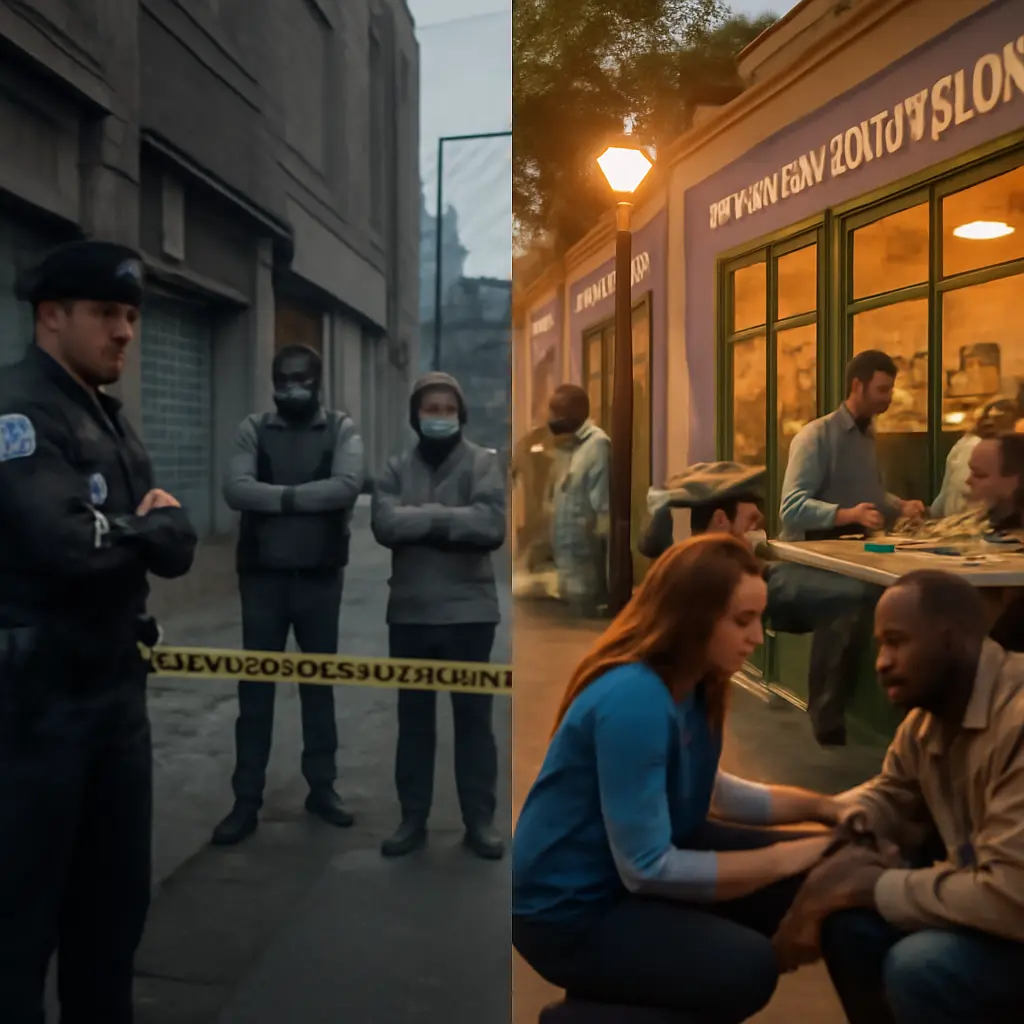
Why Community Policing Doesn't Work and What Cities Should Do
Discover why community policing doesn't work, common pitfalls, and practical reforms cities can adopt to improve public safety and rebuild trust. TakeBackTheNews
Discover why community policing doesn't work, common pitfalls, and practical reforms cities can adopt to improve public safety and rebuild trust. TakeBackTheNews

Discover why community policing doesn't work, the common pitfalls, and practical alternatives police can implement to reduce crime and rebuild trust. TakeBackTheNews
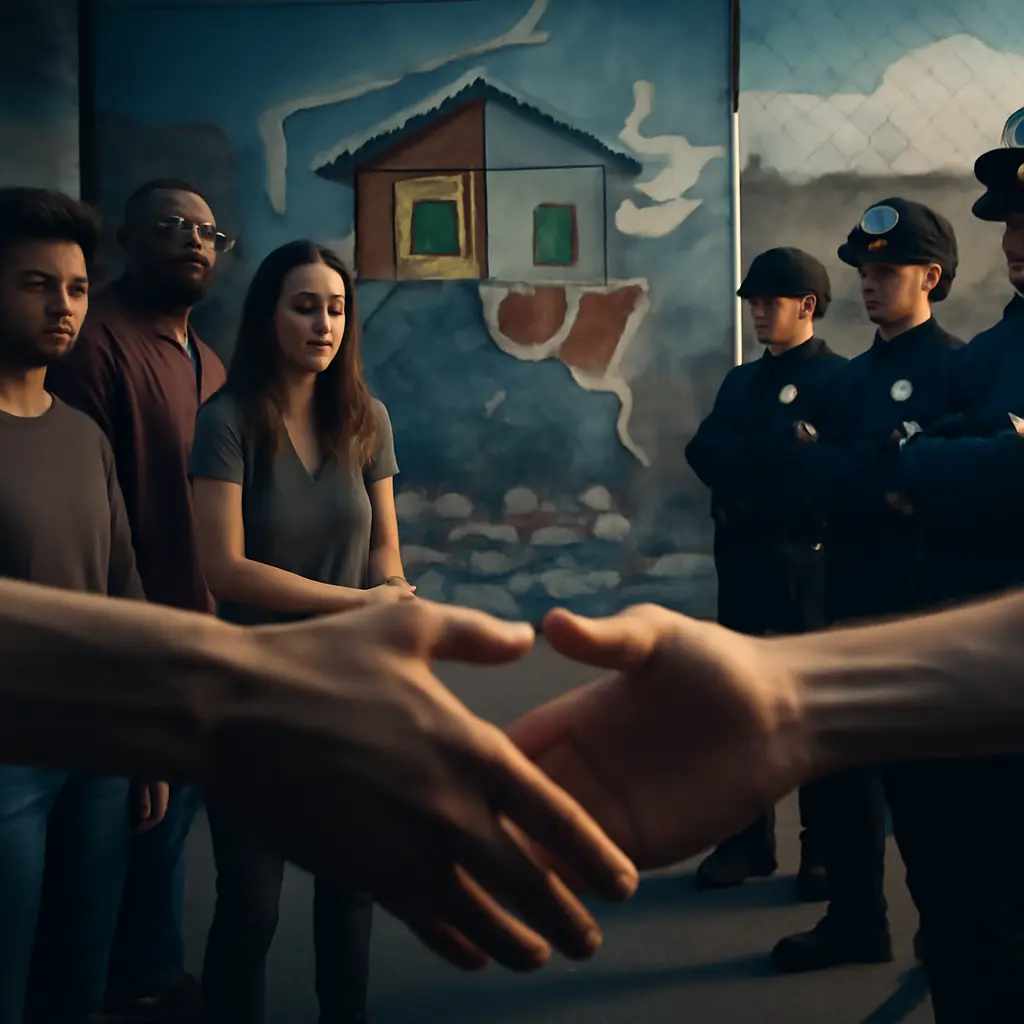
Explore why community policing doesn't work and what must really change: frank analysis, real-case failures, and practical reforms police departments can adopt. TakeBackTheNews
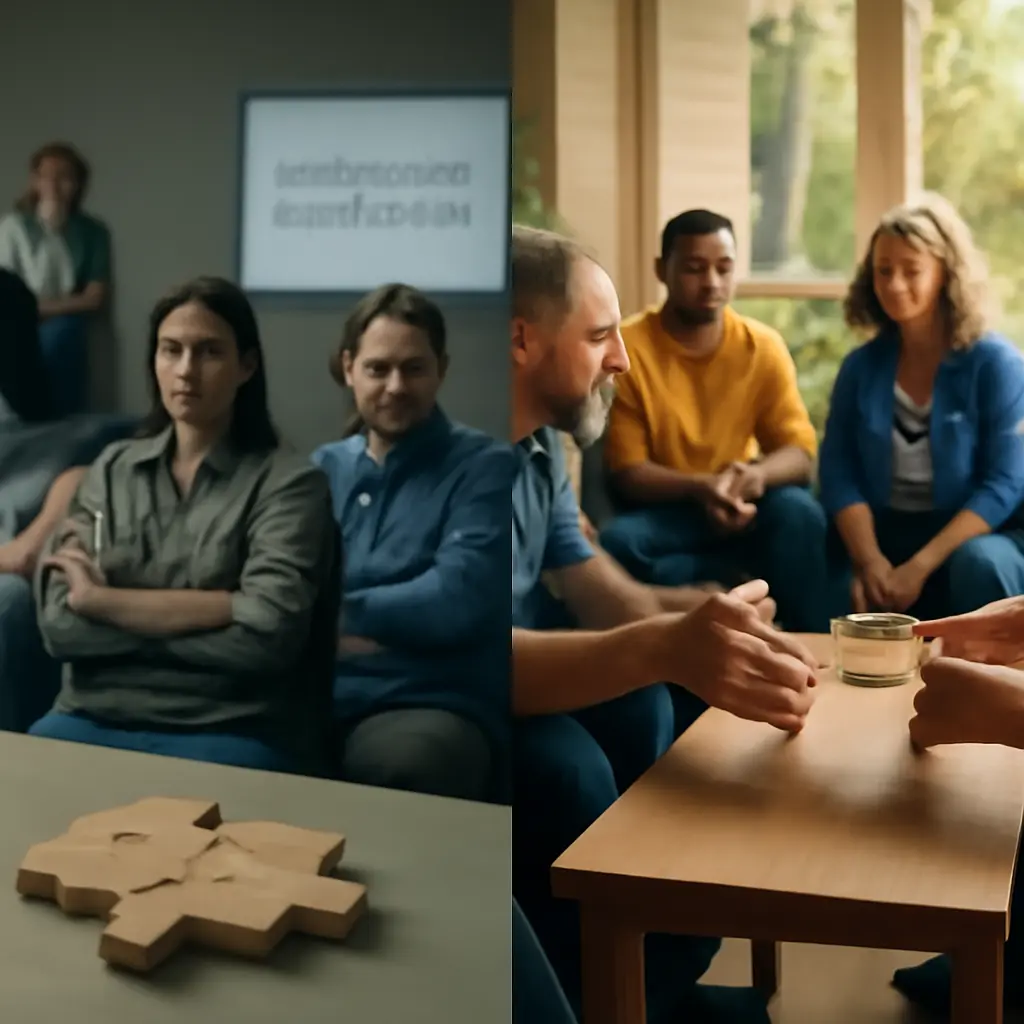
Explore why diversity training often fails and discover practical strategies communities need to build real inclusion, accountability, and lasting change. TakeBackTheNews

Discover why social justice campaigns fail and practical, community-led strategies to succeed—clear steps for organizers, activists, and local leaders. TakeBackTheNews

Explore urban poverty trends shaping social policy debates in 2024—data-driven insights, policy implications, and practical steps for decision-makers. TakeBackTheNews
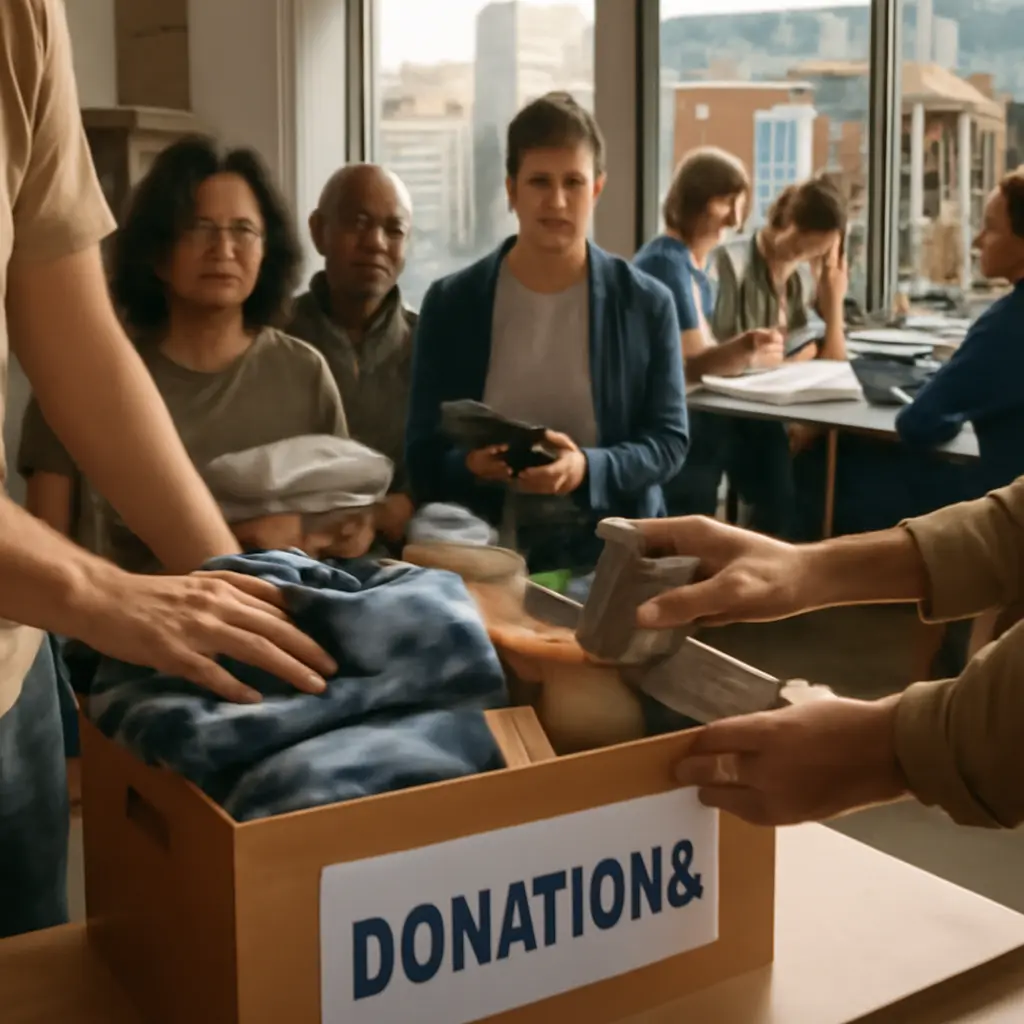
Explore why charity drives fail to end poverty and discover practical policy and community solutions that create lasting change—what to do instead. TakeBackTheNews

Discover 7 ways local journalism strengthens communities facing poverty—examples, community solutions and steps to support resilient local news. TakeBackTheNews

Discover community organizing secrets experts keep quiet — proven strategies, grassroots tactics and tips to mobilize and build lasting change. TakeBackTheNews

Two decades of fighting for justice revealed hard truths about systemic change, burnout, and real progress. Discover the lessons that matter most. TakeBackTheNews
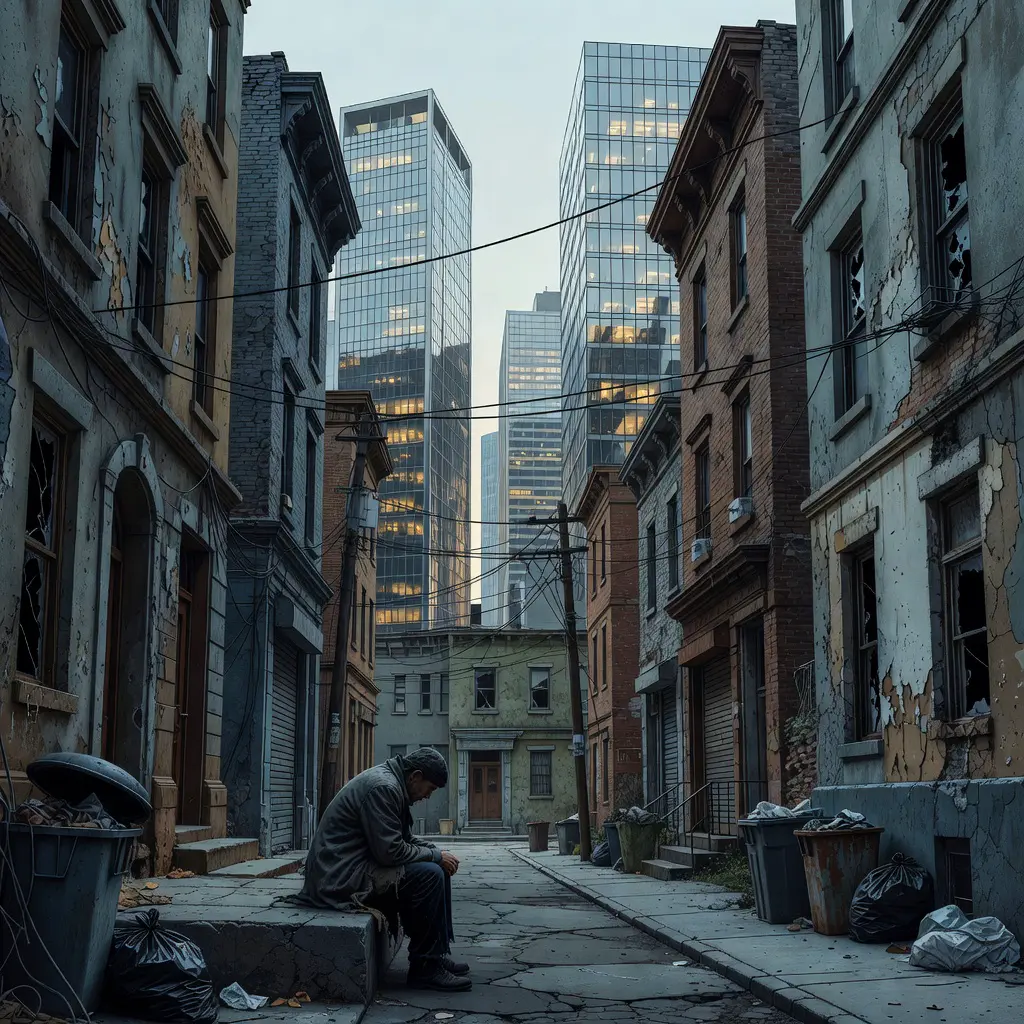
Explore the systemic forces driving urban poverty — from housing inequality to lack of economic opportunity — and gain deeper insight into sustainable solutions.
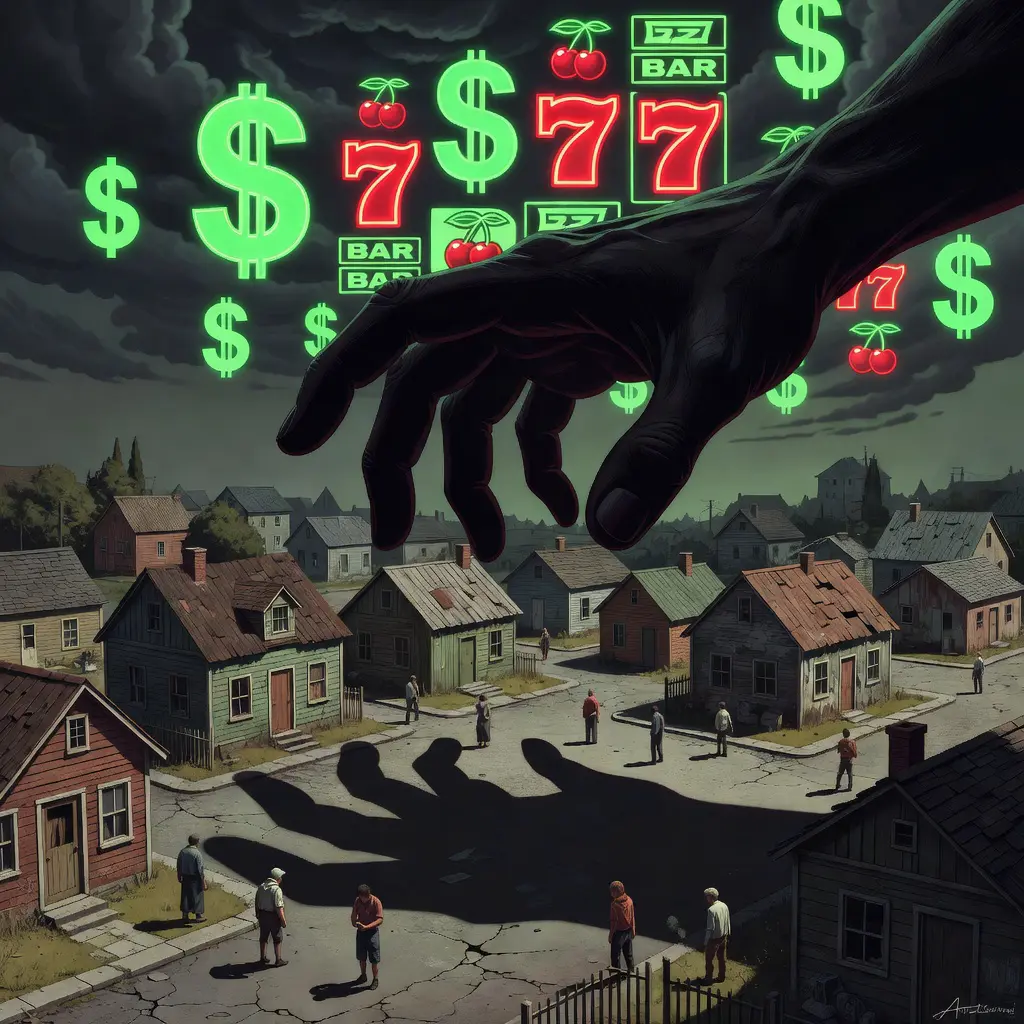
Discover how nejlepší online casino sites exploit low-income players using manipulative tactics and predatory promotions. Find out what makes them so dangerous.
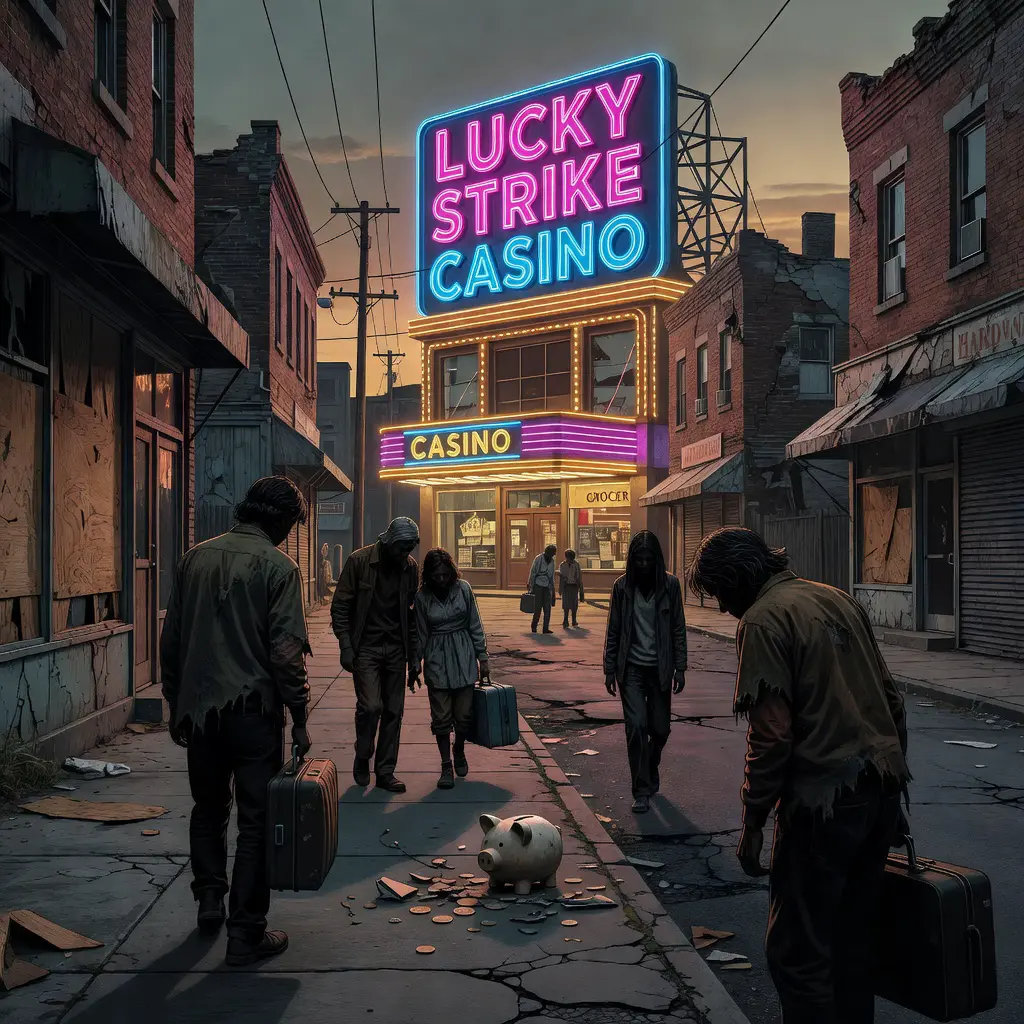
Discover how nové české kasino expansion impacts local communities — straining social services, fueling addiction, and widening inequality. Find out what's really at stake.
Comments
The point about redlining from the 1930s still mapping onto today's poorest neighborhoods really hits home. It shows how these structures are baked into the geography we live in.
It's striking how the article points out that neighborhoods redlined in the 1930s are still the poorest today—those policy decisions really do echo across generations.
I’ve noticed that in my town, the new casino really shifted spending away from local shops, just like the article mentions. It’s frustrating to see community businesses struggle while the casino profits.
It’s striking how persistent the effects of redlining are—neighborhoods decades later still face underinvestment. Makes me wonder how long it will take for policy changes to actually shift these patterns.
I noticed the part about rising household debt being concentrated in just a small group of players — it really puts into perspective how these casinos thrive on the struggles of vulnerable families.
I hadn’t realized how much of the revenue actually comes from a small group of problem gamblers—makes me wonder if the promised local economic benefits are really worth the social costs.
It's striking how the article connects historical redlining directly to today's housing struggles — I hadn't realized the long-term impact was still so visible in city maps.
That stat about 10–15% of players generating over 60% of the revenue is wild, and kind of explains why the “tax money will help schools” argument feels shaky. Are there any Czech-specific studies that back up the same split?
The part about housing cost burden eating up 50%+ of income really hits—once rent takes that much, even a small car repair can snowball into missed payments. How do cities actually enforce zoning changes when neighborhoods fight any new dense housing?
That bit about “risk-free” welcome bonuses needing 30–50x wagering before you can withdraw is wild—how is that even allowed to be advertised as free money?