

Why community policing falls short: a clear-eyed look

Community policing is often presented as the silver bullet for lowering crime and mending police-community relations. On the surface it sounds sensible: officers embedded in neighborhoods, regular interactions, joint problem-solving. But the reality is more complicated. In this article we unpack why community policing frequently fails to deliver, identify common pitfalls, and offer practical, evidence-based alternatives police departments can implement to actually reduce crime and rebuild trust. Along the way we'll explore how unrelated public goods like Casino review ratings can illustrate the role of measurement, accountability, and incentives in policy design.
What proponents promise — and what they often deliver
The promise of community policing is appealing: lower crime, better relations, and a softer, more humane law enforcement culture. In practice, many programs produce mixed results. Large-scale evaluations and meta-analyses show effects that range from modest improvements to null impacts depending on implementation fidelity, local context, and how success is measured. For example, some studies report crime reductions under 10% — gains that are easily wiped out if programs lack consistent funding or suffer from high officer turnover. The lesson: intention alone is not enough.
Common pitfalls that make community policing ineffective
When programs fail, several predictable problems usually show up. Below are the most common issues departments encounter.
- Superficial engagement — Officers attend events but don't build ongoing relationships.
- Conflicting incentives — Metrics tied to arrests or response times undermine trust-building work.
- Poor training — Officers lack skills in de-escalation, cultural competency, and community problem-solving.
- Resource instability — Programs start strong, then fade as budgets tighten.
- Unequal outcomes — Benefits accrue to certain neighborhoods while others are neglected.
These pitfalls mirror problems seen in other domains. For instance, comparing service ratings like Casino review ratings shows how measurement and incentives shape behavior: a venue chased by ratings will prioritize what is measured, sometimes at the expense of guest safety or fairness. Police departments, similarly, respond to the metrics they are given.
Why measurement matters: lessons from сравнение казино
Measurement drives behavior. рейтинги онлайн-казино aggregate user experiences into a simple score and that score changes operator behavior quickly: better hospitality, clearer signage, or improved safety protocols. Law enforcement programs lack similarly clear, public-facing dashboards. When departments adopt narrow metrics like arrests per shift, they structurally discourage long-term trust-building. Conversely, thoughtfully designed outcome measures can encourage departments to focus on community-defined goals such as feeling safe, decreasing repeat victimization, and transparency.
| Approach | Common Failure Mode | Suggested Alternative |
|---|---|---|
| Door-to-door outreach | One-off contacts, no continuity | Assign neighborhood teams and track repeat engagements |
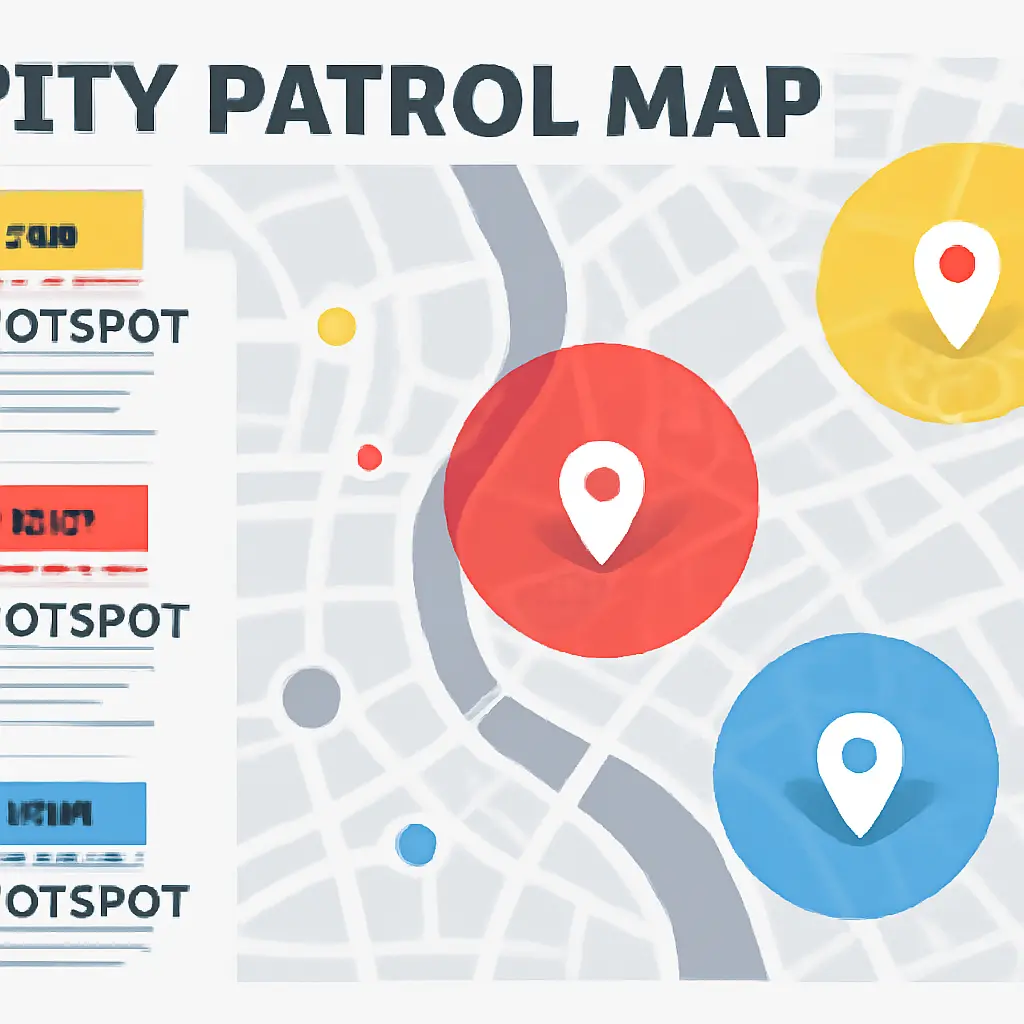
| Hot-spot patrols | Short-term displacement of crime | Combine with problem-oriented strategies and follow-up |
| Community events | Publicity-focused, low follow-through | Link events to tangible services and feedback mechanisms |
Notice how the table structure resembles rating systems like обзоры онлайн-казино: clear categories, transparent criteria, and follow-up. That transparency helps operators correct course quickly.
Practical alternatives that work better than surface-level community policing
A growing body of research points to several approaches that can outperform traditional community policing when implemented with fidelity. These alternatives share three common features: data-driven targeting, accountability to community-defined goals, and sustained investment.
- Focused deterrence — Directly engages high-risk people and groups with clear consequences and support services.
- Problem-oriented policing — Uses diagnosis, targeted interventions, and evaluation for persistent problems.
- Procedural justice reforms — Prioritizes fair treatment, transparency, and legitimacy in everyday encounters.
- Civilian response teams — Redirects non-criminal calls (mental health, homelessness) to trained non-police professionals.
- Transparent outcome metrics — Publishes community-centered dashboards similar to consumer ratings like сравнение казино to inform priorities.
Each of these alternatives can exist alongside traditional policing but requires a willingness to reallocate resources and change performance metrics. Departments that couple these strategies with clear, public accountability tend to see the best outcomes.
Implementation checklist for police leaders
For agencies thinking about moving beyond conventional community policing, the following checklist provides a practical start. Each item should be measurable and tied to community feedback.
- Define clear outcome goals with residents (safety, trust, fairness).
- Replace arrest-focused incentives with impact-based metrics.
- Pilot civilian response teams for non-violent calls.
- Invest in training for procedural justice and de-escalation.
- Establish public dashboards modeled after trusted rating systems such as рейтинги онлайн-казино to track service quality.
Transparent dashboards should show not just activity (stops, arrests) but outcomes (repeat victimization rates, civilian complaints resolved, response satisfaction). This is the same principle that makes consumer ratings useful: meaningful, actionable information.
Case examples and quick wins
Several cities have achieved measurable improvements using these alternatives. For instance, focused deterrence programs combined with social services have driven down gun violence in targeted neighborhoods by double-digit percentages in some evaluations. Reassigning non-emergency responses to civilian teams has reduced officer burnout and allowed police to focus on violent crime prevention. These are examples of evidence-based change rather than marketing-driven programs.

Another practical idea inspired by consumer review models like обзоры онлайн-казино is to publish periodic "service reviews" that include resident testimonials, third-party audits, and data trends. Making performance visible creates constructive pressure for improvement without incentivizing harmful policing tactics.
Potential objections and how to respond
Critics often raise valid concerns: will focused interventions target marginalized people unfairly? Will civilian response teams lack necessary authority? These objections are important, which is why oversight and community-defined metrics are essential. Design features to mitigate harm include independent review boards, randomized trials when possible, and phased rollouts with built-in evaluations.
When skeptics ask why we should replace community policing, the short answer is not that it has no value, but that the model as commonly implemented lacks the structures that produce durable change. Components of community policing — relationship-building, visibility, and local knowledge — are valuable. They must be embedded in systems that reward long-term outcomes, not short-term optics.
Conclusion: move from goodwill to measurable impact
Community policing, as a concept, carries promise. But without clear metrics, stable resources, and alignment of incentives, it too often becomes a public relations exercise. Departments should shift toward targeted, evidence-based alternatives — such as focused deterrence, procedural justice reforms, and civilian response teams — and adopt transparent, community-centered dashboards inspired by rating systems like сравнение казино. These steps increase the likelihood of actually reducing crime and rebuilding trust over time.
Change requires patience, investment, and the humility to measure what matters. If policing leaders and communities work together to set clear goals, use data responsibly, and hold programs to public standards, the result can be safer neighborhoods and more legitimate institutions — outcomes that few would argue against.



To leave a comment, please sign up or log in
Log in / Sign up